Through the mix
Pigment goes in with the water before the powder, so colour runs all the way through the piece. Chip an edge later and the colour is still there.
Learning path 02 · Colour + finishing
Colour can run all the way through a cast object, or sit on its surface. Knowing which you want — before you mix — is most of the decision.
Two routes
Every colour decision on a cast piece comes down to which of these you choose, and how even the surface underneath is.
Pigment goes in with the water before the powder, so colour runs all the way through the piece. Chip an edge later and the colour is still there.
Colour is applied after demoulding. It sits on top, which keeps the cast material pale underneath but lets you layer, wipe back and build depth.
A pale, even base is what makes a colour read cleanly. The same pigment over an uneven cast will always look uneven, whichever route you take.
Colour through the mix is permanent — it is part of the object. Colour on the surface is reversible — it can be sanded back and redone. Neither is more correct; they simply fail differently, and knowing how they fail is what lets you choose.
A repeatable method
Colour work is only as good as your notes. This is the sequence that turns a lucky result into one you can make again.
Never commit a new colour to a full-size piece. A small test cast costs a fraction of the material and tells you everything: how the pigment disperses, how strong it reads, and how much the colour shifts as it dries.

Write down the weight of pigment against the weight of the mix, every time. A colour you cannot measure is a colour you cannot make twice — and the second piece in a set is where that matters.
Keep the material, water ratio and working method identical between samples. If you change the pigment load and the mix ratio together, you learn nothing from the result.

Demould, let the piece settle, then inspect it in daylight before touching it. Sanding softens edges and evens the surface; sealing changes how light sits on it. Both change the colour you end up looking at.
The range
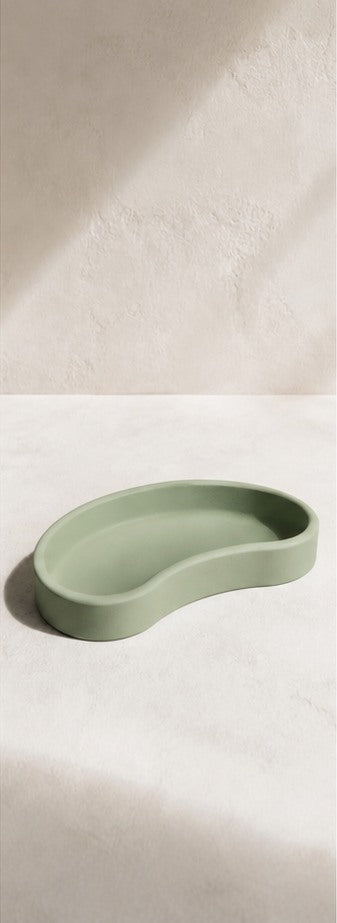
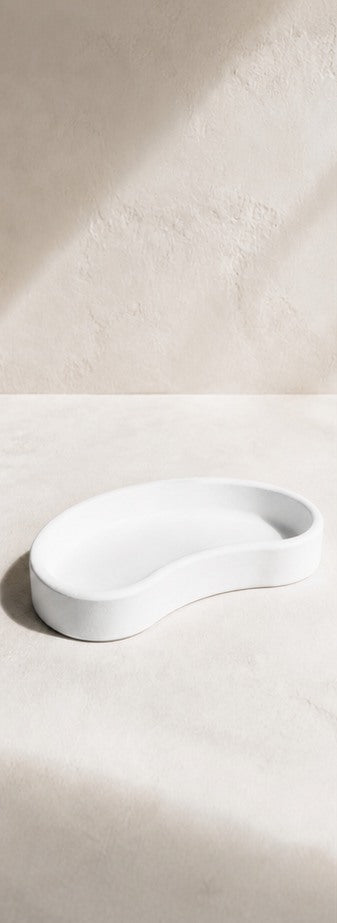
The same form in five finishes. Each is shown on an identical piece so the difference you are seeing is the colour, not the object.
No pigment at all — the material's own colour, and the base every other finish sits on.
A muted, natural green that stays quiet in daylight and holds detail well.
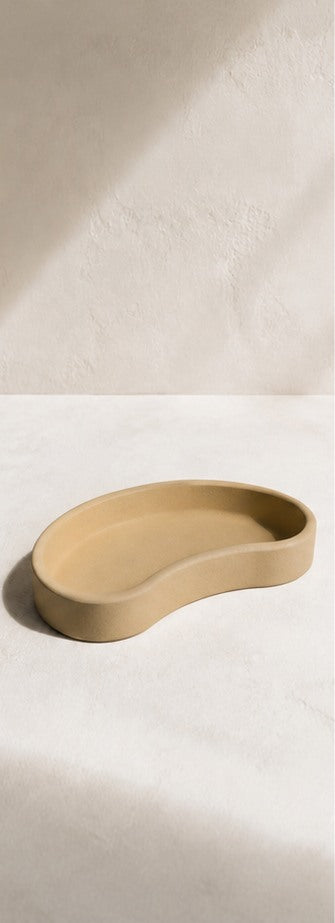
A grounded warm yellow. Reads softer at low pigment loads, earthier as you increase it.
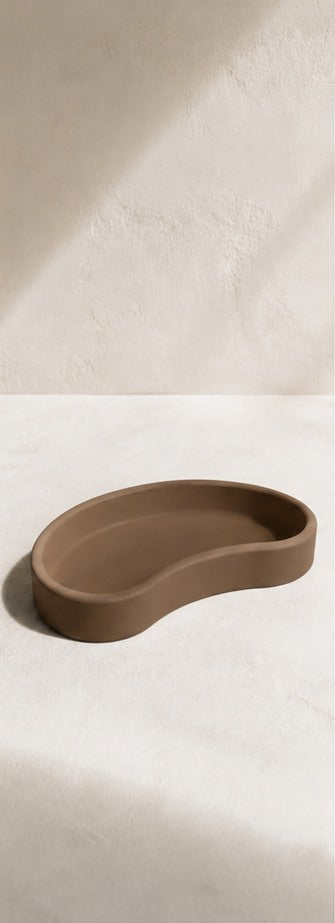
A warm brown with real depth on larger, simpler forms.
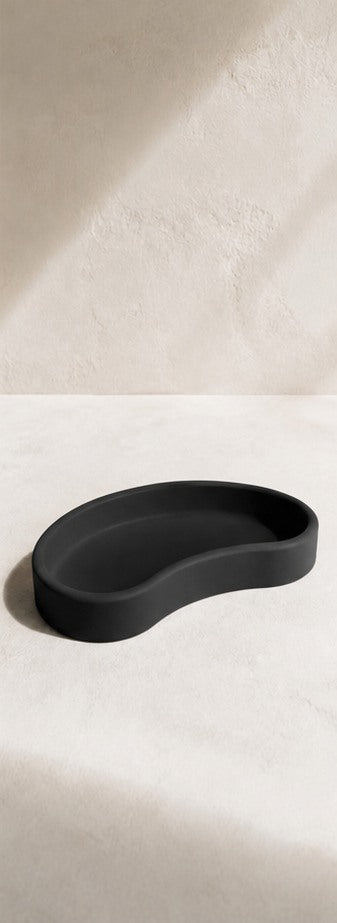
The strongest of the range. Shows surface imperfections most, so it rewards careful finishing.
What changes the result
When a colour does not come out the way you pictured it, the cause is nearly always one of these.
More pigment deepens the colour, but only up to a point — past it you are adding material that does not dissolve, and the surface starts to suffer. Build up across test pieces rather than guessing high on the first pour.
A freshly poured mix almost always reads darker and more saturated than the finished piece. Judge a colour only once a test cast is fully set, in daylight, not while it is still in the container.
Working the surface back exposes material below the outer skin, which usually lightens the piece and flattens the sheen. It is a colour decision as much as a texture one.
A sealed surface reflects more light and tends to look richer and darker than the same piece unsealed. Test any sealer on an offcut before committing a finished object to it.
Colour questions
Method you can repeat. Always test a new colour on a small piece first.
Through the mix if you want the colour to survive wear and chips. On the surface if you want to layer, wipe back or change your mind. Many makers do both — a coloured base with a surface treatment on top.
Usually the pigment was not fully dispersed before the powder went in, or the mix was stirred too briefly. Combine pigment and water first, then add powder.
Something changed between pours — pigment weight, water ratio, mixing time or how long it sat before pouring. This is exactly what recording the mix prevents.
Yes, and it is the fastest way to a colour that is yours. Record both weights, not just the total, or the result will not be repeatable.
No. A piece straight from a clean mould can be finished as it is. Sanding is for softening edges, evening a surface or deliberately changing how the colour reads.
Another way in
Start from the piece you want to end up with, and we will show you the exact materials behind it.
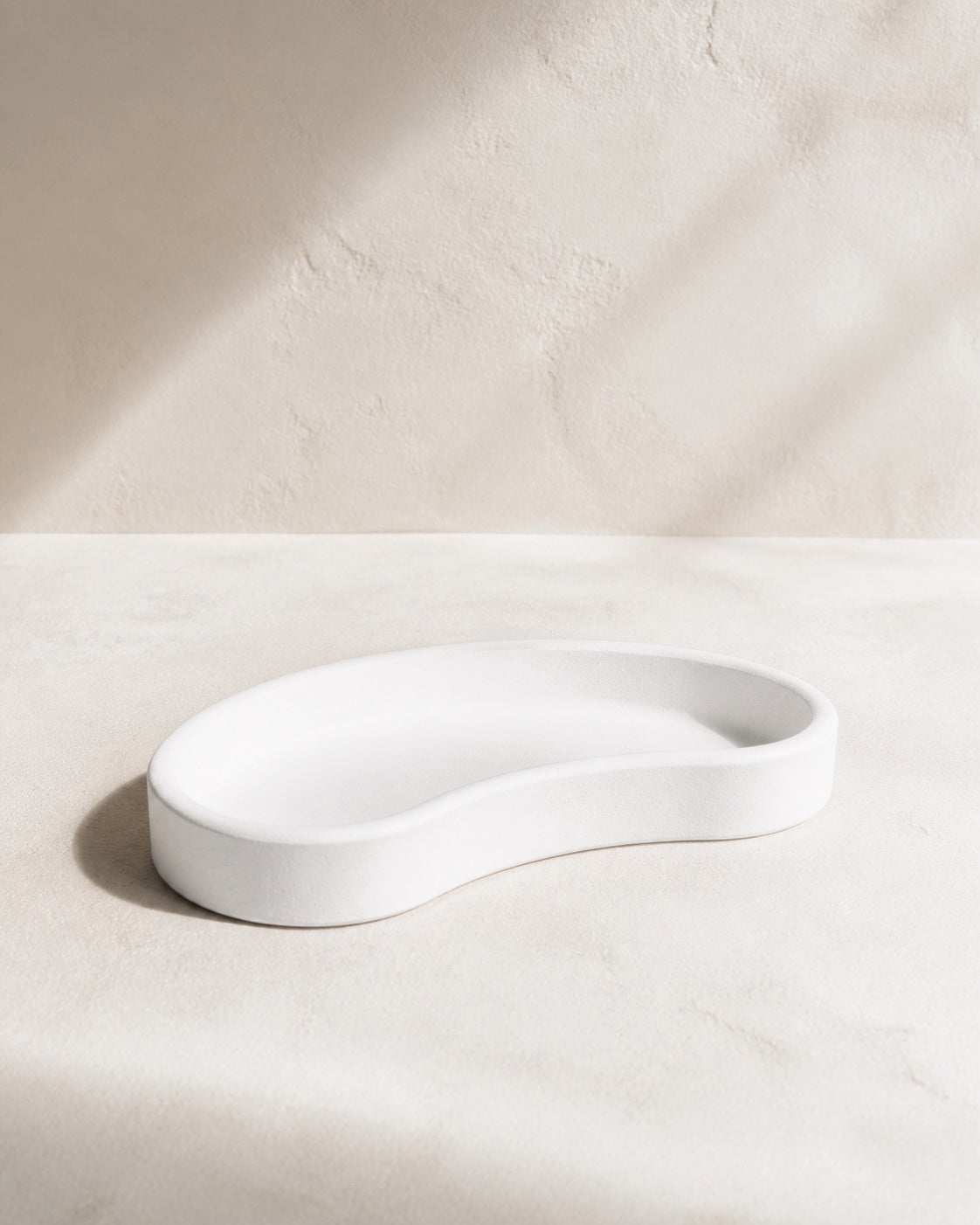 Setup from £25Kidney CatchallA clean, organic tray and an approachable first cast.See what was used
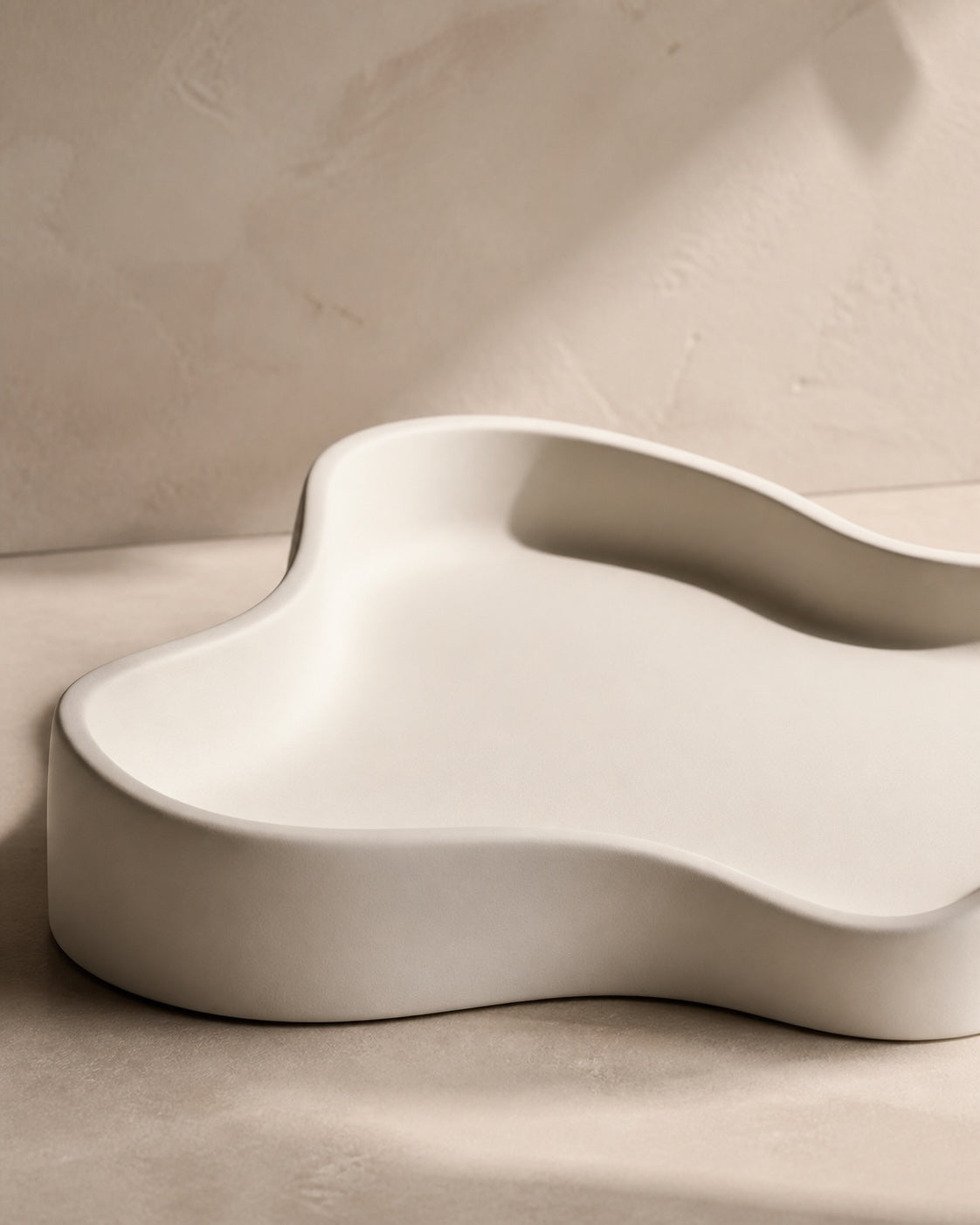 Setup from £25Flow TrayA smooth statement tray with a softly sculpted edge.See what was used
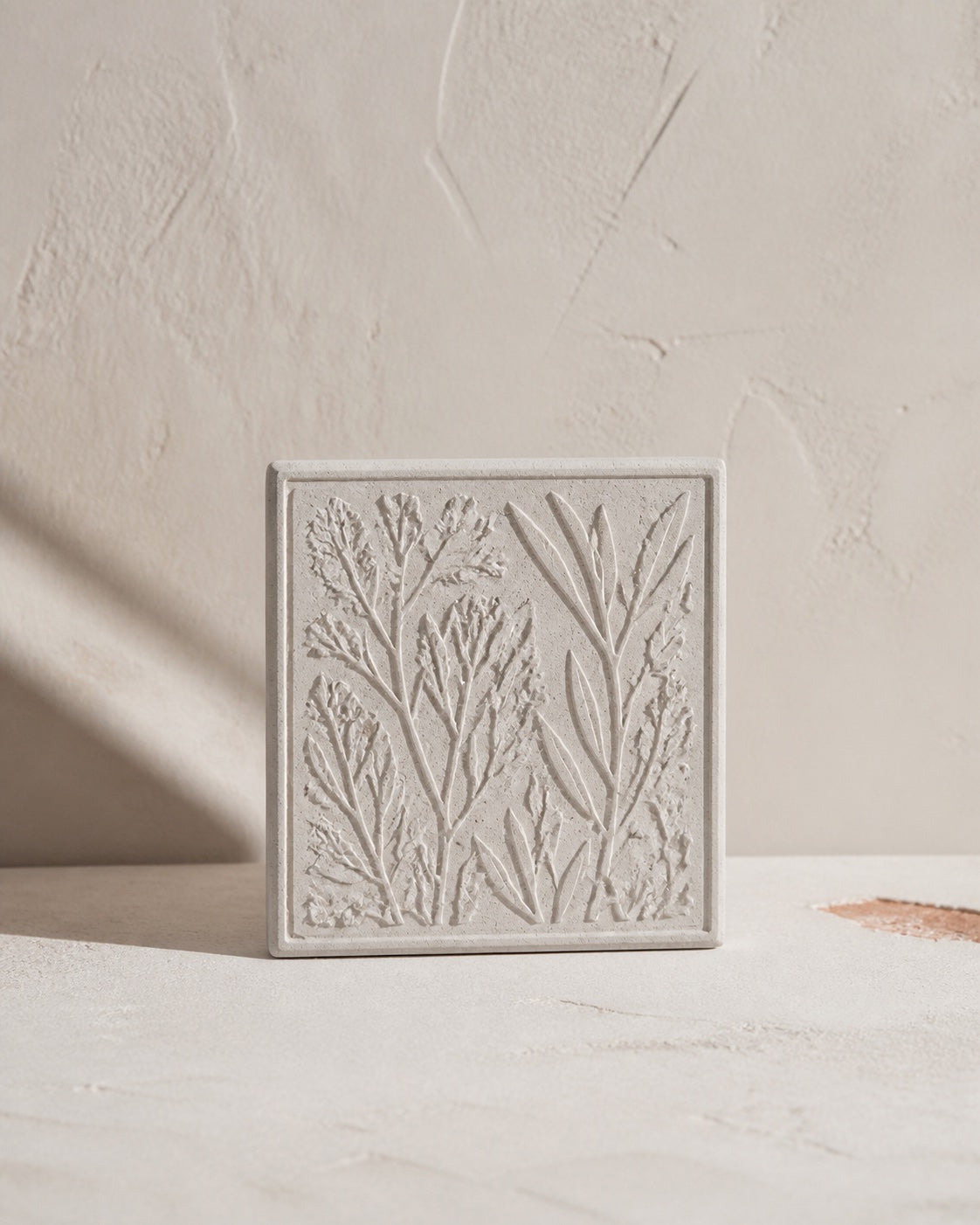 Bring your own mouldBotanical ReliefA detailed tile that captures stems, edges and texture.See what was used
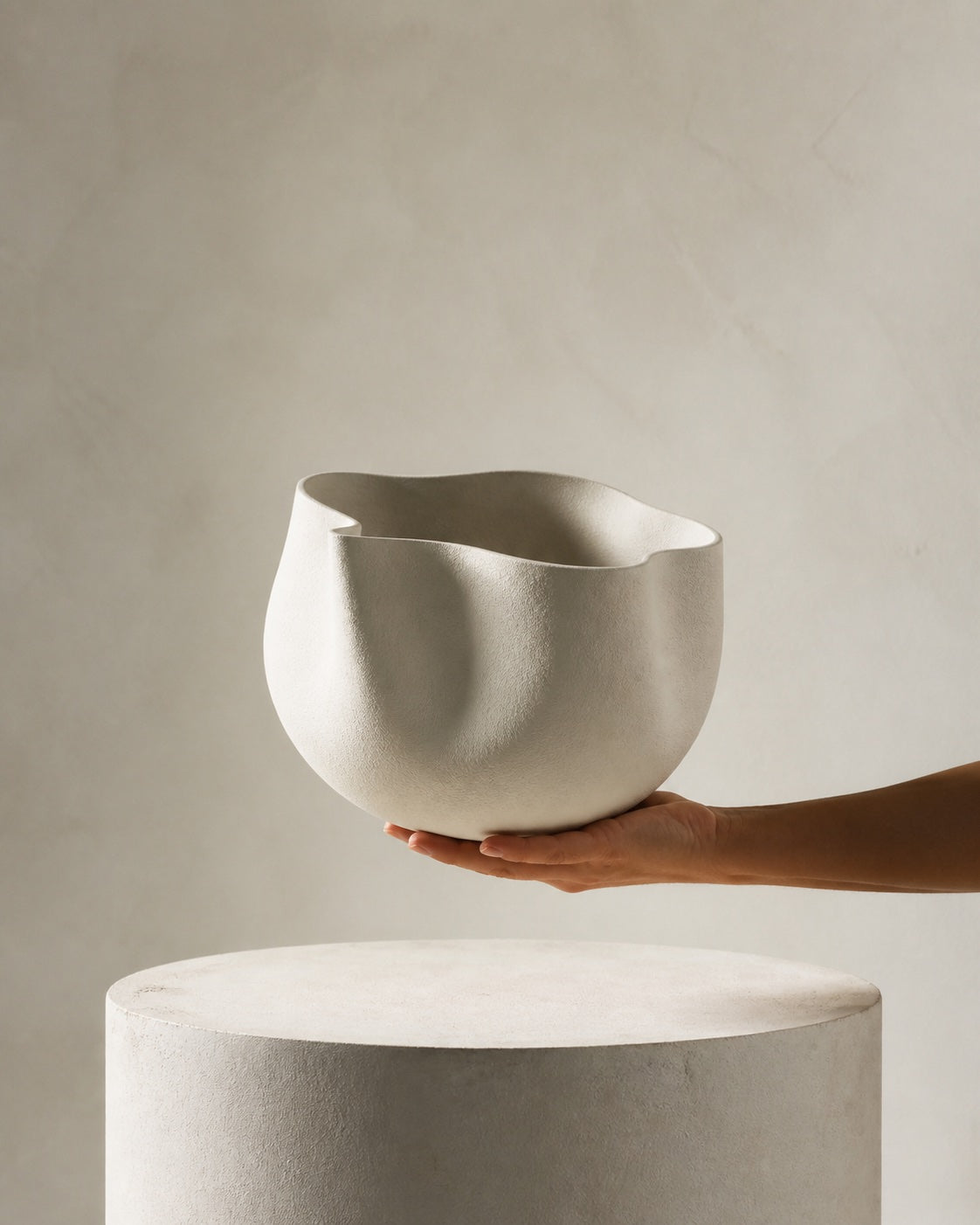 Bring your own mouldSculptural VesselA larger hollow form with a solid, considered presence.See what was used
When you are ready
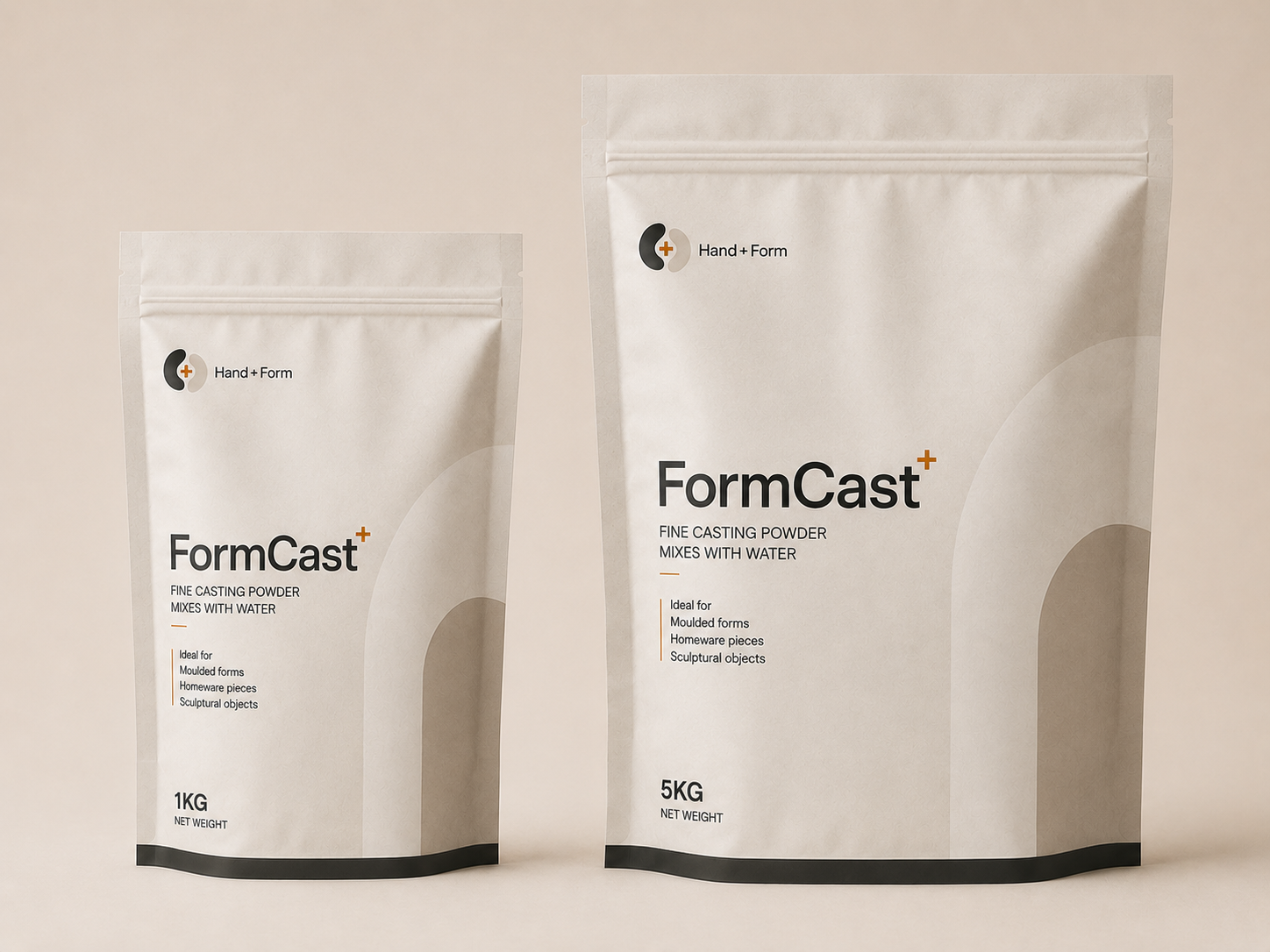
Five pigments, each sold separately, so you can start with one and build a palette as your pieces get more deliberate. Pair them with a bag of FormCast+ and a small test mould.

More makers.
A brighter tomorrow.