Proposed experience · a working prototype of a different Learn model.
The workshop
What do you
want to make?
Not a library of articles. The unit here is a capability proven through making — objects are simply the most obvious way to prove one.
Ways in
01 I have never done thisMake your first piece.One object, one afternoon. Everything you need to know arrives at the step where you need it.Start the Flow Tray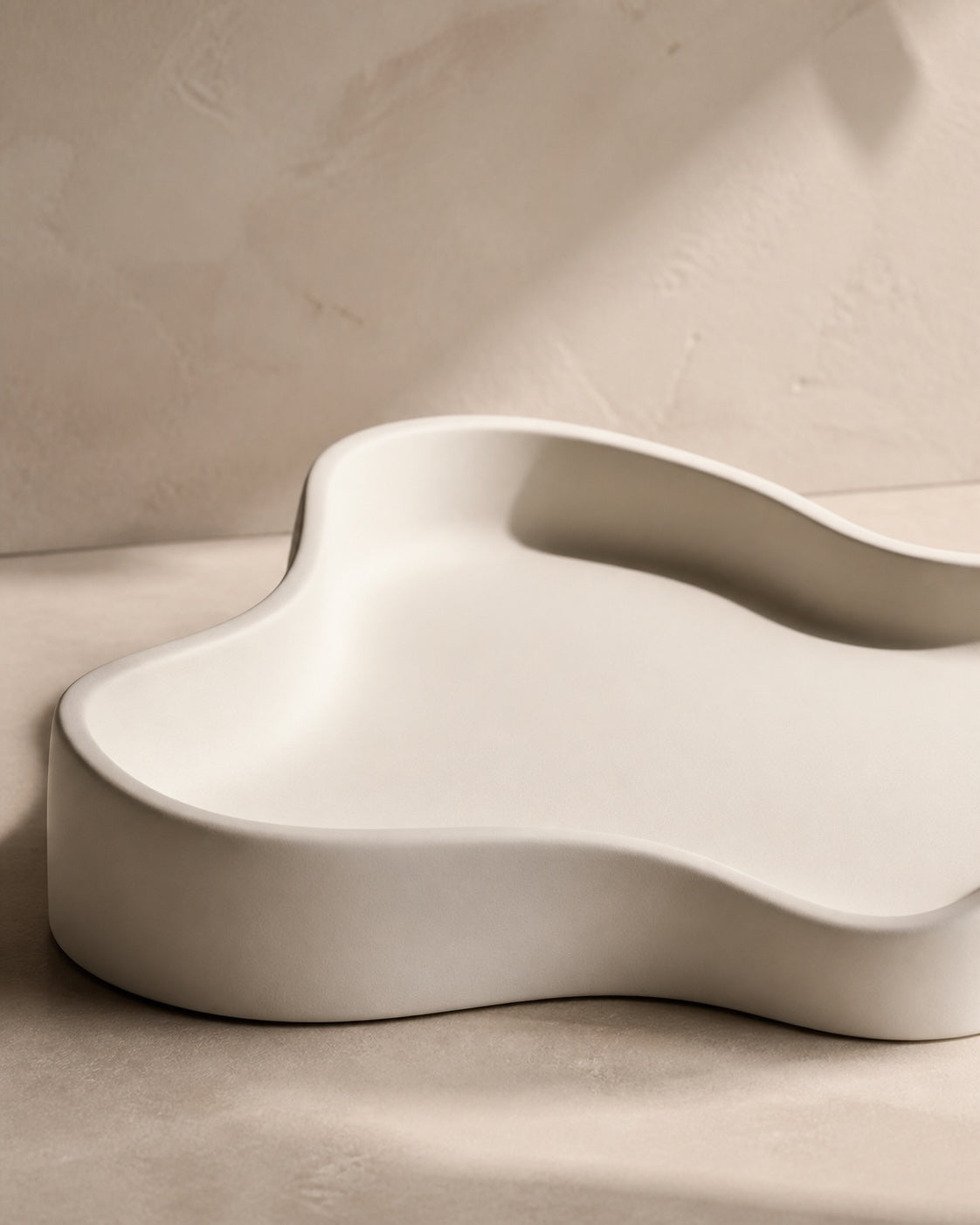 Flow Tray Mix, pour and demould a flat open form
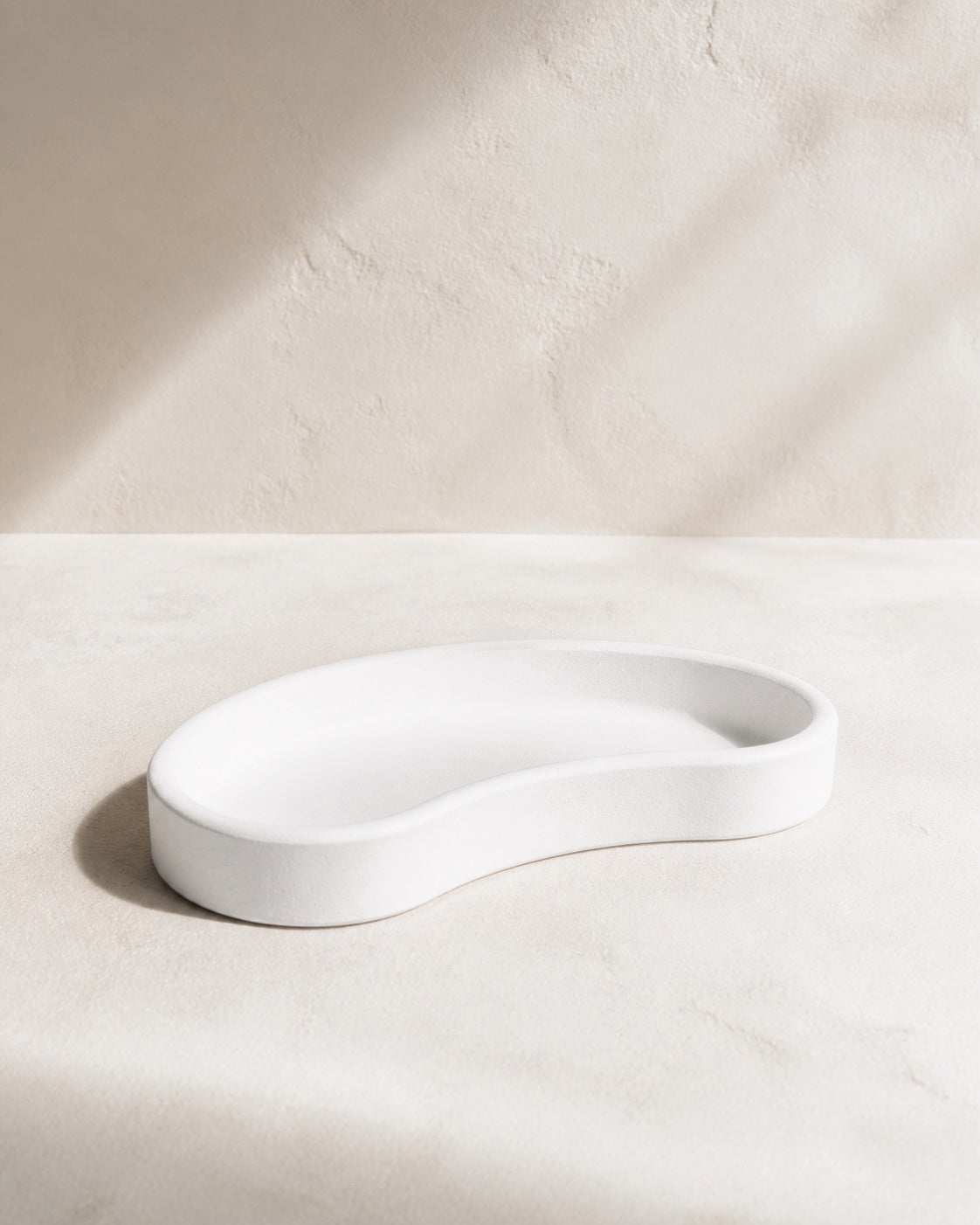 Kidney Catchall Put colour through the body of a piece
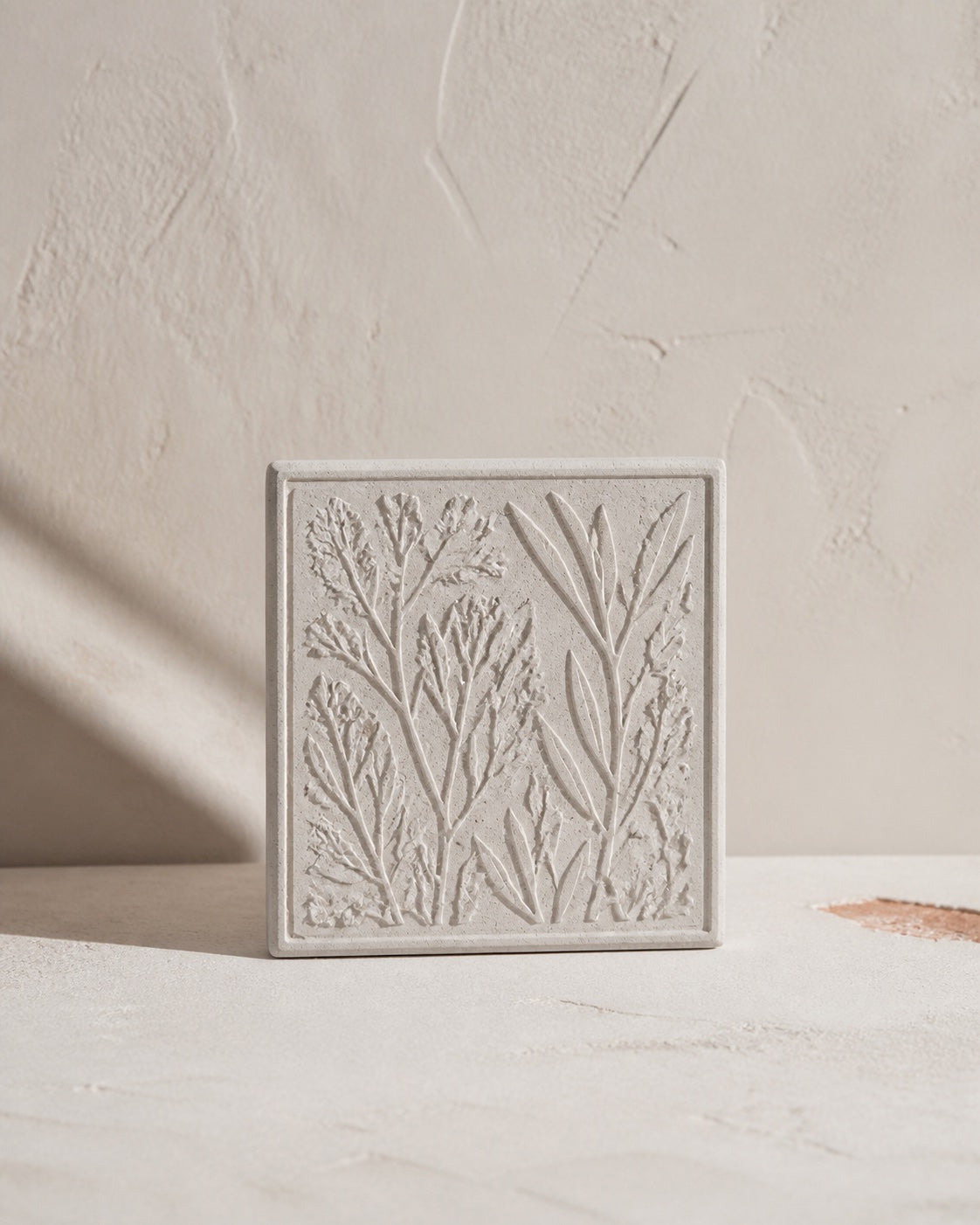 Ripple Dish VariantMix, pour and demould a flat open form
Only a handful are canonical, fully guided makes. Everything else is a variant that inherits one of them and states what differs — a system being taught, not thirty recipes being published.
- Why does my cast have bubbles? Used in: Flow Tray · Ripple Dish
- What is the mixing ratio? Used in: Flow Tray · Ripple Dish
- How do I colour it? Used in: Kidney Catchall
- Why did it crack? Used in: Flow Tray
- When can I sand it? Used in: Flow Tray · Kidney Catchall
- How does this compare to plaster?
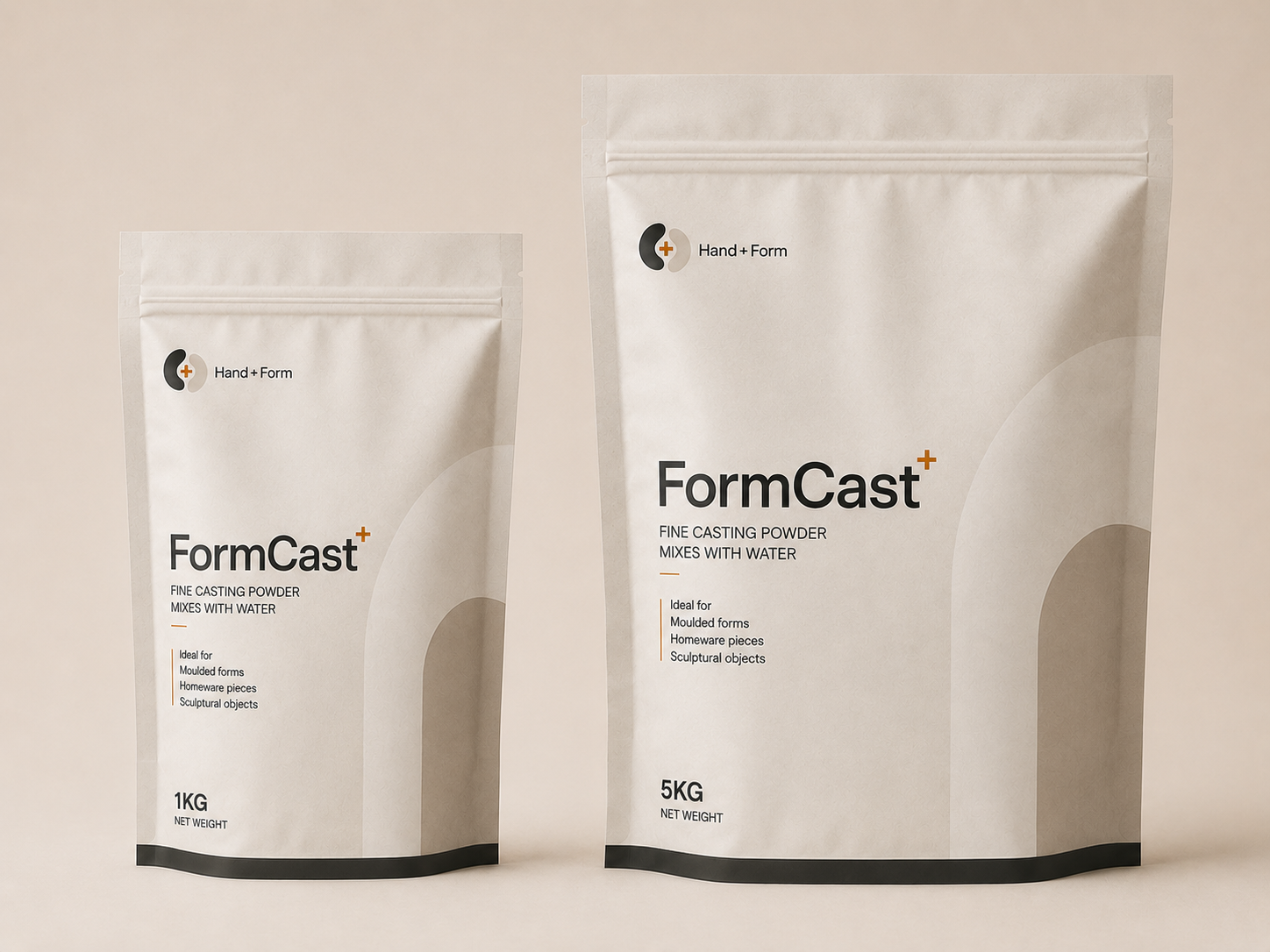
FormCast+
Understand.
Make. Master.
Every material follows the same three-phase arc. That is what makes them feel like one ecosystem while each one stays distinct.
- 01
Understand
I know what the material can do.
Its job is to answer one question: can this material do what I want? It has to work for someone who owns nothing yet — which is how the pre-purchase visitor is served without inventing a fourth stage.
See the materialWhat is the process actually like?
Weigh, mix, pour, wait, demould. About an afternoon, at a kitchen table, with no kiln and no extraction.
What can it make?
Trays, dishes, vessels, candle holders, relief tiles, homeware — solid opaque objects with a mineral surface.
What do I need to start?
Accurate scales, a mixing container, something to mix with, and a mould. That is genuinely the list.
How is it different from the alternatives?
Water-mixed rather than two-part chemistry: no solvents, no ventilation requirement beyond pack guidance, cleanup in water.
How much skill does it need?
The process is a sequence, not a craft skill. Expect the first piece to teach you something rather than be perfect.
What does it cost to find out?
A 1kg bag is £16, or £35 for a box covering a whole first piece including the mould.
- 02
Make
I can make something with it.
Not necessarily a finished object — a meaningful material outcome. For FormCast+ that is a tray or a vessel. For Pigments+ it is a palette or a two-tone pour. For FormMould it is a one-part mould. Same stage, different proof.
Open a make - 03
Master
I can control what it does.
Not simply harder content — that would decay back into a lesson library. Master is control over variables: the difference between following a ratio and knowing what changes when you alter it.
- Follows the ratio→Knows what changes when the mix is altered
- Follows a mould→Designs the mould
- Follows a colour recipe→Reproduces and adjusts colour deliberately
- Hopes a piece works→Repeats it twelve times and sells the twelfth
Master
Techniques open up
once the material makes sense.
Not hidden and not gated — simply placed after the thing that makes them useful.
The ecosystem
One shape,
five materials.
Each material keeps its own arc and register. What makes them one system is the shape they share — and that a make is a capability, not necessarily an object, so Pigments+ and FormMould fit the same stage without distortion.
 Casting materialFormCast+
- Make a tray
- Make a vessel
- Cast fine detail
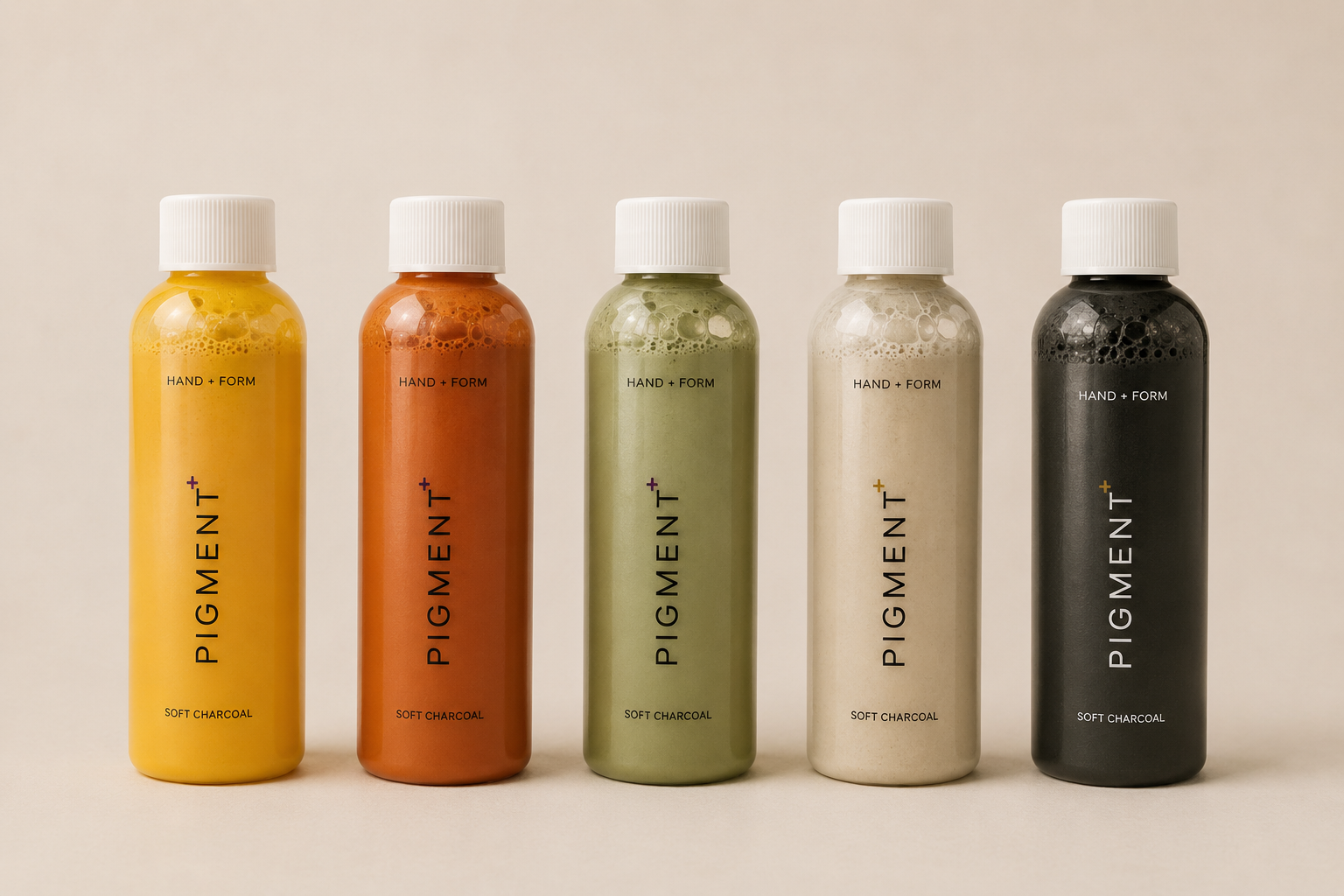 ColourPigments+
- Build a muted palette
- Recreate a colour
- Make a two-tone pour
 FormMoulds
- Cast a repeat run
- Work with texture
 Mould makingFormMould
- Make a one-part mould
- Reproduce an existing form
- Make a mould for repeat casting
 SurfaceSandWax
- Arc not written yet
How it is indexed
Four ways to browse, deliberately kept off the front door for now. Showing a first-time visitor four filter axes recreates the menu problem this model exists to solve — these earn their visibility as the library grows.
Shared underneath
Craft knowledge that belongs to no single material, written once and shared by every arc.
What this shows
The unit is a capability
proven through making.
Progress here is a shelf, not a percentage — a record of practice rather than a dashboard. Open a make, work through it, mark it made, then come back and see what changed.
Try the Flow Tray make